House Painters in North Carolina
Painting a home in North Carolina means working with a humid subtropical climate — long, hot, humid summers and mild winters — mildew and moisture are the enemies of a lasting finish. Along North Carolina's coastline, salt air shortens coating life and calls for corrosion-resistant prep. Conditions vary across the state, but the fundamentals of prep, product selection, and timing below apply statewide. Use FindThePainter to compare verified North Carolina painters in your city.
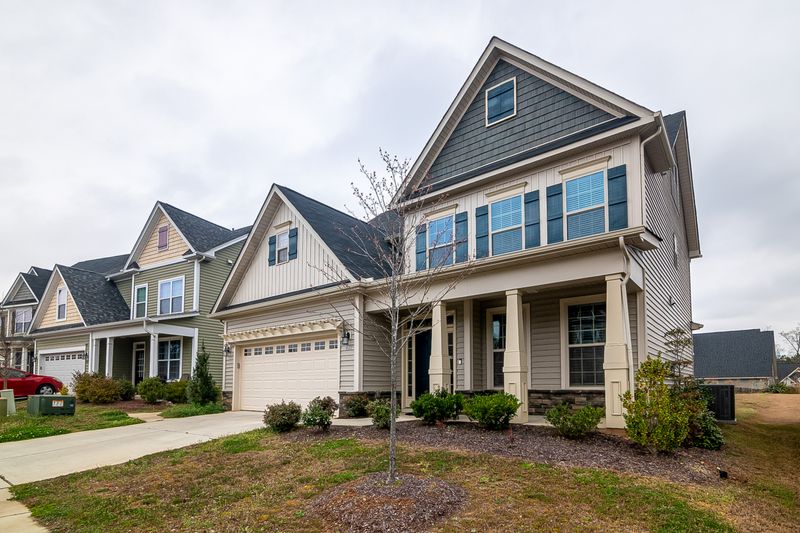
Painting in North Carolina's climate
North Carolina has a humid subtropical climate — long, hot, humid summers and mild winters — mildew and moisture are the enemies of a lasting finish.
April–June and September–November, when humidity and afternoon storms ease.
every 5–7 years for most siding; sooner on south- and west-facing walls.
What North Carolina's climate means for your paint job
High humidity
Slows curing and can trap moisture under the paint film — timing and breathable acrylics matter.
Mildew & algae
Shaded, damp walls grow mildew — a mildewcide additive and thorough washing are essential.
Hurricane season
Plan major exterior work outside named-storm windows so coatings can fully cure.
North Carolina painting inspiration
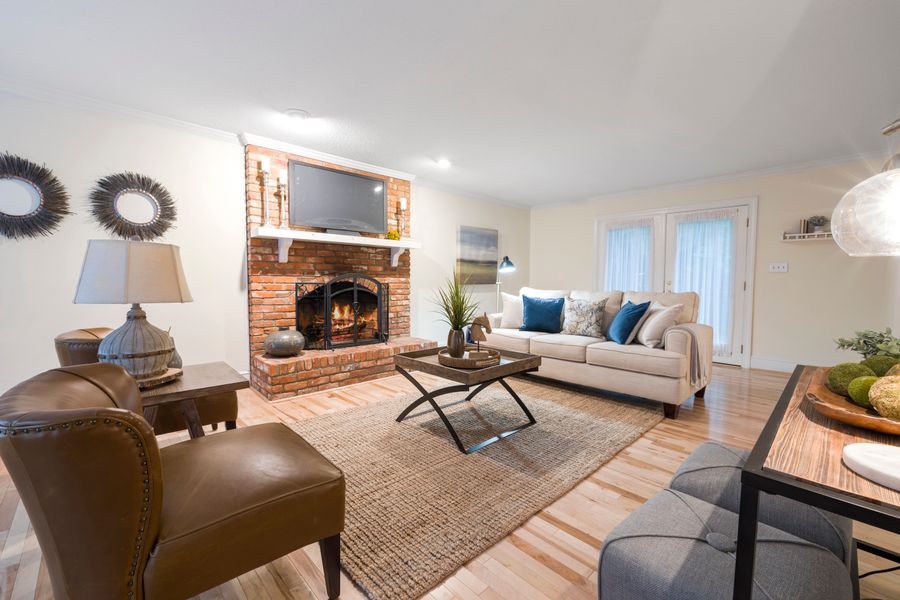
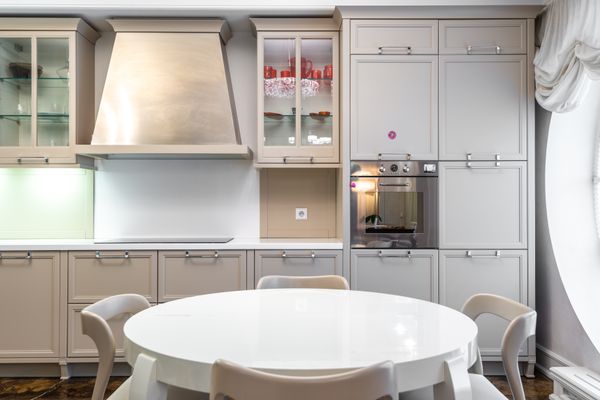
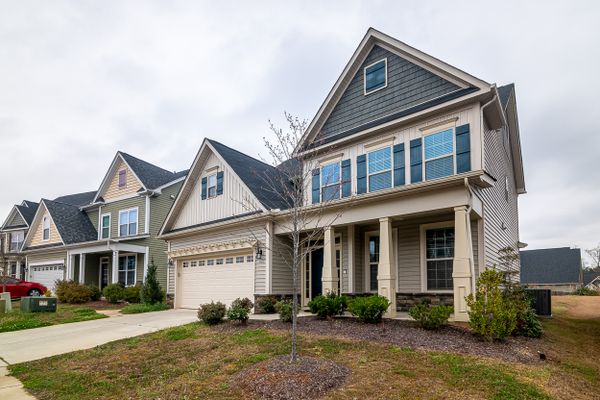
Interior and exterior transformations across North Carolina.


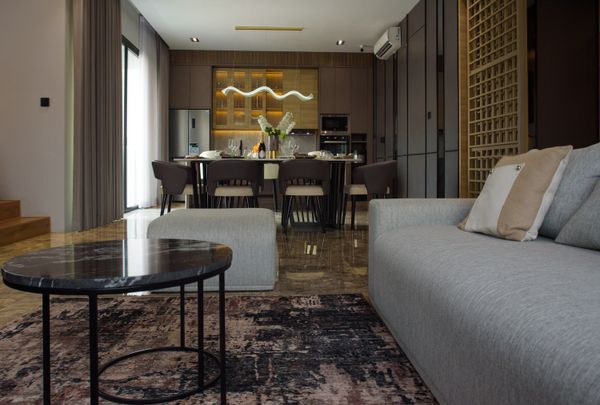
Recommended for North Carolina homes
100% acrylic latex with a mildew-resistant additive; satin or low-sheen finishes shed dirt and are easy to wash down.
Painters by city in North Carolina
Explore local guidance for 14 North Carolina cities.
North Carolina painting FAQ
Generally April–June and September–November, when humidity and afternoon storms ease. Avoid the peak of summer, when daily humidity and pop-up thunderstorms can ruin a fresh coat before it cures.
Most North Carolina exteriors need attention every 5–7 years for most siding; sooner on south- and west-facing walls.
100% acrylic latex with a mildew-resistant additive; satin or low-sheen finishes shed dirt and are easy to wash down.
Ready to paint your North Carolina home?
Get matched with verified painters across North Carolina — free, fast, and no obligation.
- Verified & background-checked
- Responses within 24 hours
- No obligation, ever