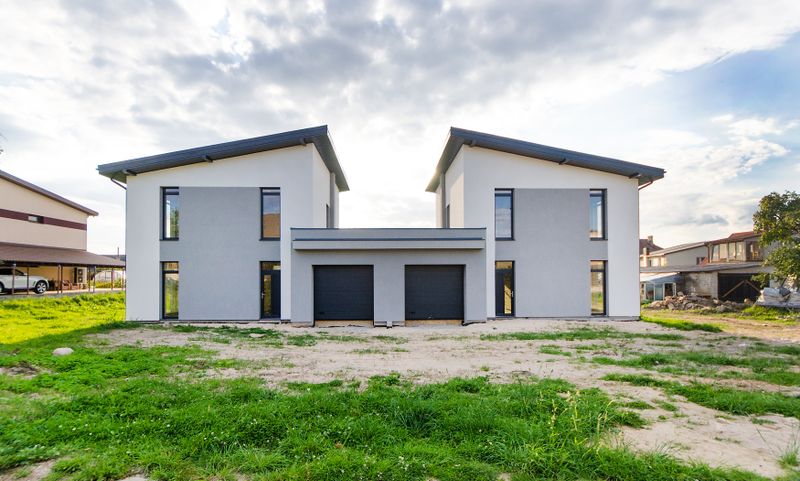
Exterior: chase mild, dry, stable weather
Aim for a stretch of dry days with mild temperatures and overnight lows above the paint's minimum (often ~50°F). Avoid direct hot sun on the surface you're painting, high humidity, and any rain within the cure window. The ideal season varies: spring and fall in much of the country, mid-summer in the rainy Pacific Northwest, and the cooler months in the hot Southwest.
Pro tip: Our local city and state pages list the best painting months for each climate — use them to plan exterior projects.
Interior: anytime, with ventilation
Interior painting can happen year-round since you control the temperature. The main consideration is ventilation and dry time — winter painting just needs airflow and patience between coats. Off-season is also when crews are most available and flexible on scheduling.
Book earlier than you think
Quality painters fill their calendars weeks or months ahead during peak exterior season. If you want a specific crew in the prime window, reach out early. Flexibility on dates is real leverage for better pricing.
Frequently asked
In mild climates, yes, within the product's temperature range. In freezing climates, exterior painting pauses until the season turns — interiors continue year-round.
When the surface is hot to the touch (often above ~90°F) paint flash-dries and traps marks. Paint early and follow the shade.