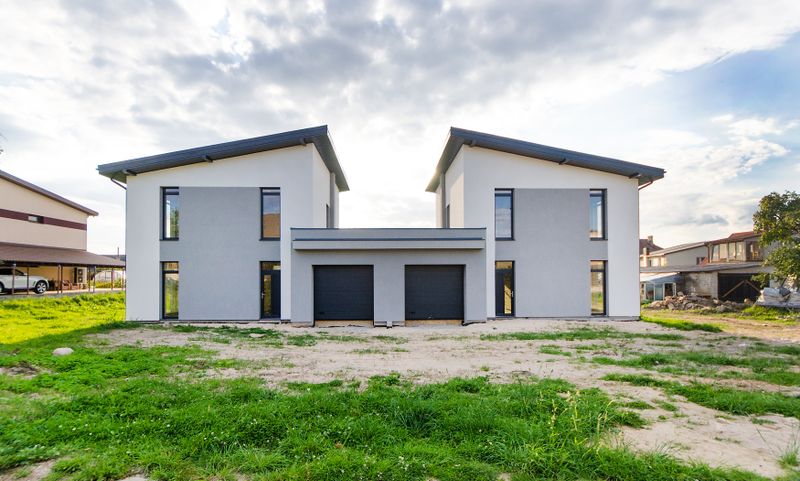
The ideal painting season in Tulsa
For exterior work in Tulsa, aim for April–June and September–November, when humidity and afternoon storms ease. Try to avoid the peak of summer, when daily humidity and pop-up thunderstorms can ruin a fresh coat before it cures.
The goal is a stretch of dry, mild days so the coating can cure fully before weather tests it. Quality Tulsa crews book up fast during the prime window, so plan ahead.
Pro tip: Watch overnight lows, not just daytime highs — many exterior paints need the surface to stay above ~50°F for a day or two to cure properly.
Why Tulsa's climate matters
Long, hot, humid summers and mild winters — mildew and moisture are the enemies of a lasting finish. That's why local timing and the right products make such a difference here.
- Big temperature swings: Day-to-night swings stress coatings — flexible films and good caulk are key.
- Hail: Afternoon storms can damage fresh exterior work and siding — plan around them.
- Intense UV: Fades color and breaks down binders — favor UV-stable, fade-resistant products and lighter colors.
Interior painting is a year-round option in Tulsa
Because you control the indoor climate, interior painting in Tulsa can happen any season — you just need ventilation and dry time between coats. The off-season is also when crews are most available and flexible on price, so it's a smart time to tackle inside projects.
How often to repaint in Tulsa
Plan on repainting your Tulsa exterior every 5–7 years for most siding; sooner on south- and west-facing walls. Sun-facing and weather-exposed walls wear faster, so inspect them yearly and touch up early — small maintenance now prevents a full repaint sooner.
Tulsa painting FAQ
Generally April–June and September–November, when humidity and afternoon storms ease. Avoid the peak of summer, when daily humidity and pop-up thunderstorms can ruin a fresh coat before it cures for exterior work in Tulsa.
It depends on temperatures staying within the paint's range. In Tulsa's climate, the peak of summer, when daily humidity and pop-up thunderstorms can ruin a fresh coat before it cures are the riskiest stretch — interior work continues year-round.
Most Tulsa exteriors need attention every 5–7 years for most siding; sooner on south- and west-facing walls, driven largely by the local climate.